
NEWSLETTER
The Thriving School Brief
Practical, bite-sized strategies for school leaders who want safer classrooms, stronger teacher support, and more time for true instructional leadership. Each issue gives you tools and real-world insights to build a thriving school culture of order, care, and belonging.

The Cohesive Brain: Tying It All Together
When educators are exhausted, it is incredibly easy to look at adolescent behavior—chronic absenteeism, hallway fights, apathy—as a series of isolated problems to manage. But these behaviors are rarely random; they are deeply rooted in a brain undergoing its most significant rewiring since infancy. In the final piece of our Adolescent Development series, we revisit the students we've met over the last few months and explore how understanding the developing brain fundamentally transforms how we design our classrooms and school systems.
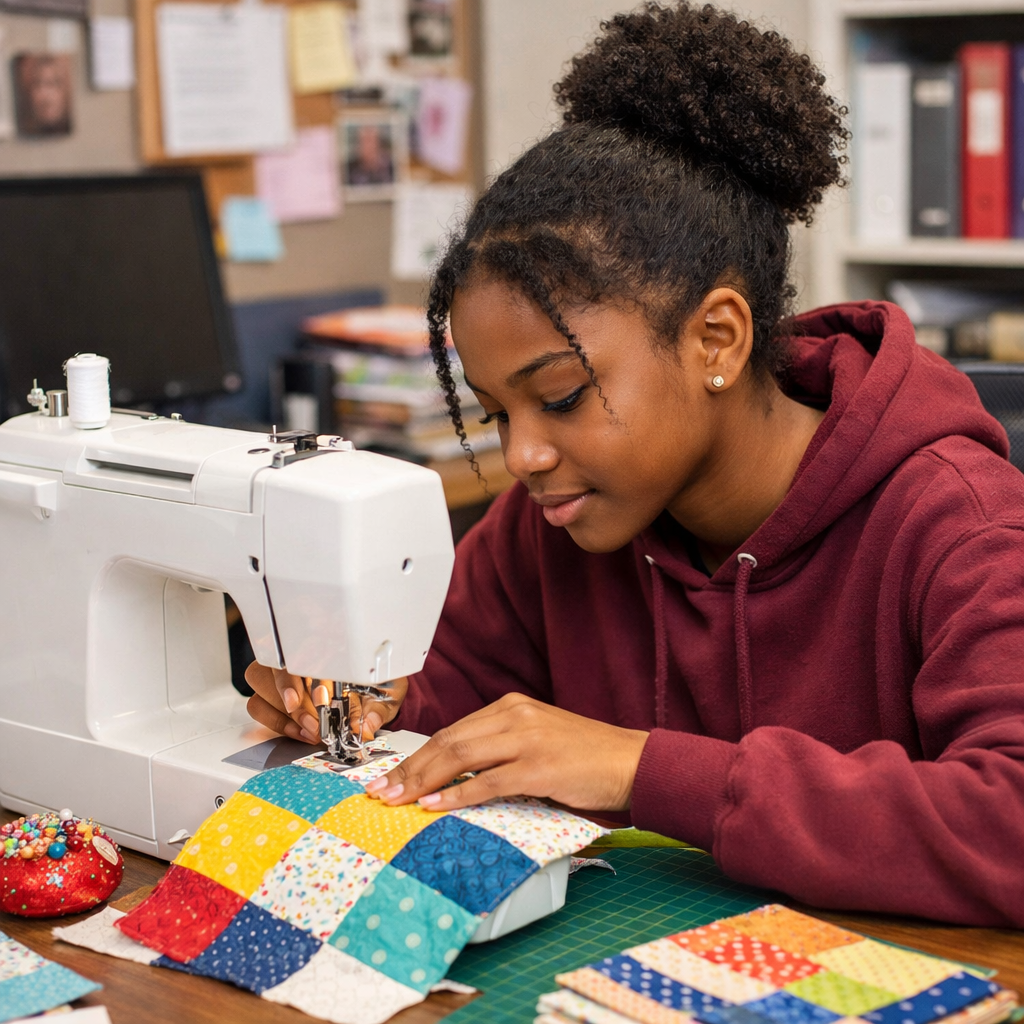
The Plastic Brain: Why Experience Can Change Everything
Experience isn't just something students have; it’s something that shapes them. In the penultimate article of our Adolescent Development series, we explore the science of neuroplasticity and why providing consistent, positive experiences is the most effective way to change a student's trajectory.

The Social Brain - Belonging, Status, Identity and What Secondary Schools Should Intentionally Design For
Adolescent behavior is shaped as much by belonging and status as by rules and consequences. The social brain is especially sensitive to peer evaluation, humiliation, and public correction.
This article explores what is physically happening in the adolescent social brain, how school culture and climate shape behavior, and how MTSS systems can promote belonging, prevent escalation, and intervene meaningfully when conflict occurs.
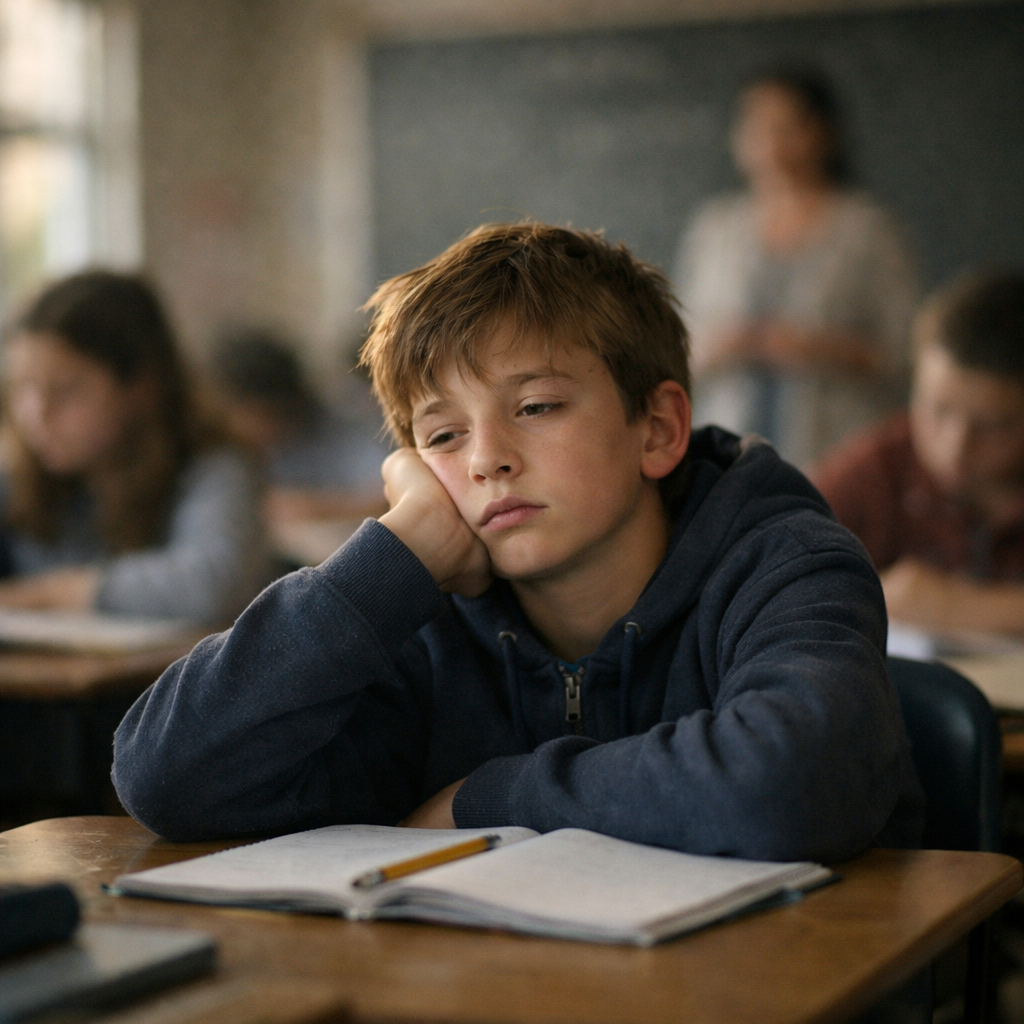
The Tired Brain - Why Exhaustion Changes Behavior, Regulation, and Learning
Sleep deprivation changes the adolescent brain in measurable ways. When middle school students are exhausted, impulse control weakens, emotional reactivity increases, and executive functioning narrows. What looks like defiance may actually be diminished access to regulation. In this article, I explore how sleep science should inform classroom design and MTSS systems in secondary schools.

The Emotional Brain - Feeling Before Thinking: What Adolescents Need When Emotions Lead
Adolescents feel before they think. During adolescence, the emotional brain develops faster than the regulatory systems that manage it. This article explores the neuroscience behind emotional reactivity, why “knowing better” doesn’t always mean “doing better,” and how schools can design Tier 1 systems that support regulation, reflection, and growth.

The Integrating Brain - From Chaos to Cohesion: How Adolescents Learn to Hold Complexity
Adolescence often looks inconsistent from the outside. Insightful one moment, impulsive the next. Calm in one setting, overwhelmed in another. This article explores why that unevenness is not a failure of maturity, but a hallmark of development in progress. Drawing on neuroscience, classroom practice, and a real student story, this piece examines how the integrating brain links emotion, thinking, identity, and relationships—and what schools can do to support coherence rather than control.

The Myelinating Brain - Practice Makes Pathways: How Repetition Shapes Adolescent Learning, Behavior, and Belonging
Why do some habits become automatic so quickly in adolescence—while others feel impossible to change?
This article explores the myelinating adolescent brain and how repetition shapes learning, behavior, and belonging. Through the story of a school-avoidant ninth grader, it shows why routines, consistency, and supportive systems matter more than motivation alone—and how schools can design Tier 1 and MTSS structures that reinforce persistence rather than avoidance.

The Pruning Brain - Use It or Lose It: How Adolescents Begin to Wire Who They Are Becoming
When I first started teaching, I believed that if I designed engaging lessons and maintained clear expectations, students would naturally respond with focus and motivation. I thought disengagement was something to fix and inconsistency was something to correct. I did not yet understand how much of what I was seeing was a reflection of adolescent development.
Years later, I would come to understand that adolescence is not a time of simple growth. It is a time of refinement. The adolescent brain is not adding endlessly. It is choosing.
This process of choosing is what neuroscientists refer to as synaptic pruning. It is the brain’s way of deciding which connections to strengthen and which to let fade. But pruning is not simply a neurological event. It is deeply personal. It is how adolescents begin to shape identity, values, interests, and purpose.
Understanding this matters because many of the behaviors that frustrate educators are not signs of apathy or immaturity. They are signs of specialization in progress.
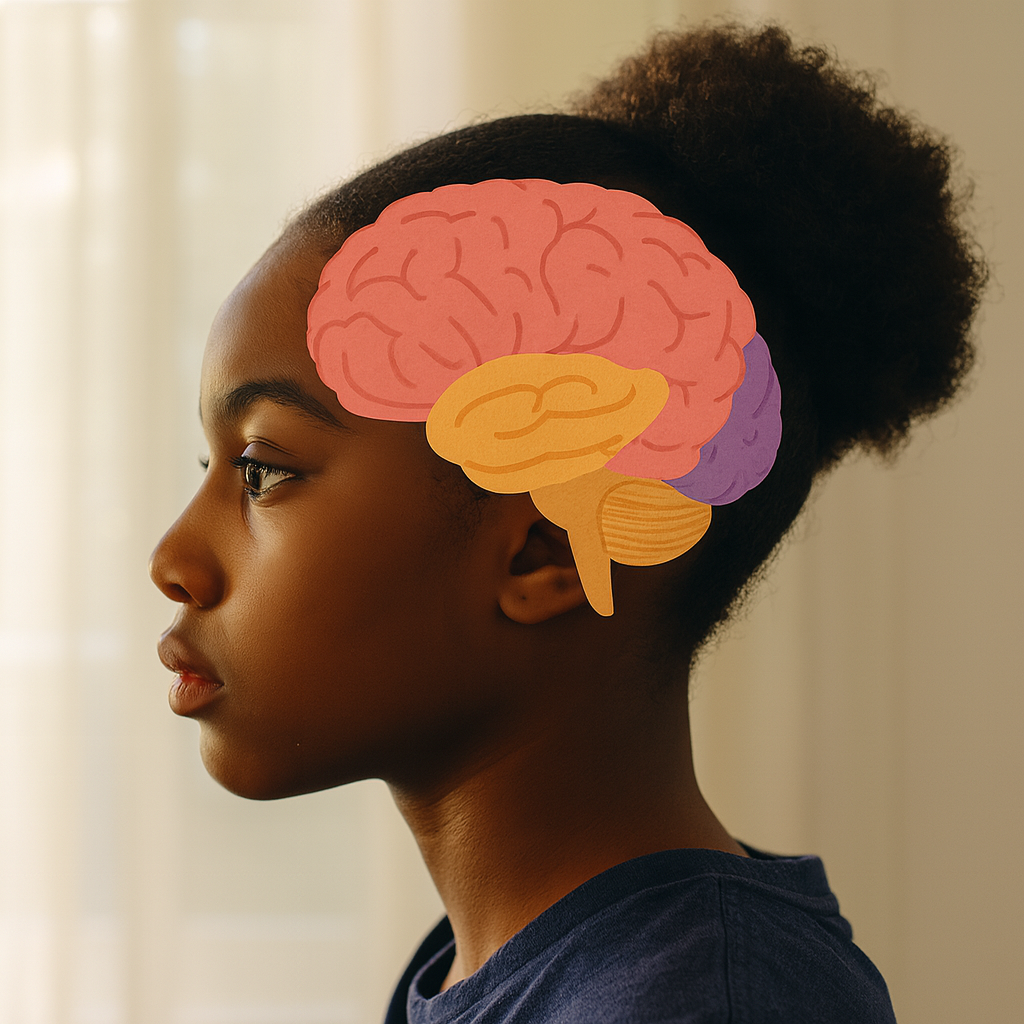
Meeting the Adolescent Brain Where It Is
When I stepped out of my classroom for two minutes and returned to a full-blown marker war, I did what any overwhelmed 23-year-old would do: I yelled. Then I hit my head on a filing cabinet and ended up in urgent care.
I used to think moments like this were “classroom management problems.”
Now I know they were developmental signals.
Adolescents aren’t broken. Their brains are becoming.
And most of us were never taught what that means for teaching, learning, or MTSS systems.
That’s why I’m launching a new series: Inside the Adolescent Mind — exploring what the developing brain needs from us, and how schools can design systems aligned with human development, not compliance.
If you’ve ever wondered why students react the way they do (or why you react to them the way you do), this series is for you.